Head-to-Head: Shokz Opendots One vs Beyerdynamic Dt 72 Ie (Detailed Comparison)
Introduction
When shoppers try to choose audio gear, two very different philosophies often compete: devices that keep the listener connected to the environment versus gear that isolates and reveals detail. The Shokz Opendots One and the Beyerdynamic DT 72 IE sit at opposite ends of that spectrum. One prioritizes situational awareness and convenience; the other emphasizes isolation and fidelity. This article examines both products in depth, compares their strengths and weaknesses in real-world use, and helps readers decide which is better for their needs.
At a glance: what these products are for
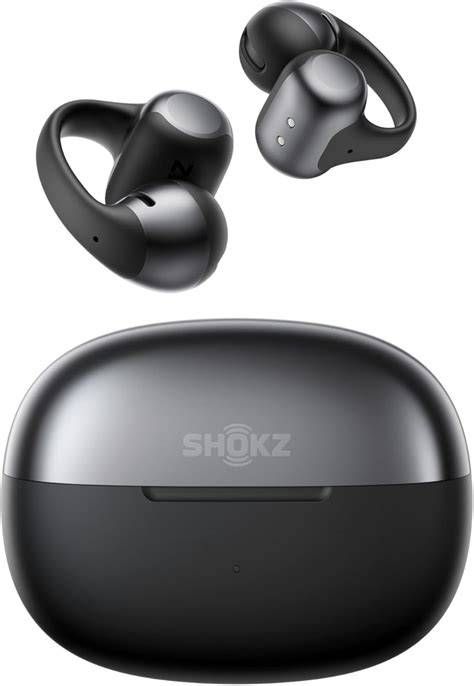
The Shokz Opendots One targets users who want audio without blocking the ear canal — people who exercise outdoors, commute in mixed-traffic environments, or need to remain aware of surroundings during calls. The Opendots One follows the open-ear mindset: it compromises some passive isolation for safety and awareness.
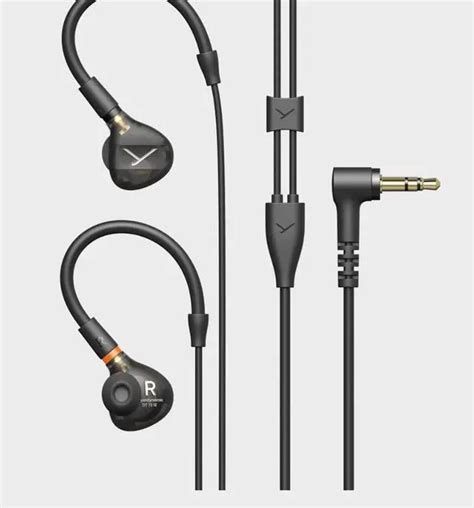
The Beyerdynamic DT 72 IE is an in-ear monitor-style product oriented toward critical listening, stage monitoring, and focused private listening. It is designed for users who want a tighter fit, better passive isolation, and a more intimate presentation — useful for studio work, live monitoring, and commuting where isolation is valued.
Detailed product analysis
Shokz Opendots One — open-ear convenience and everyday safety
The Opendots One reflects Shokz's consistent focus on situational awareness. Instead of plugging the ear canal, the design routes sound in a way that leaves the ears open. The practical advantages are immediately obvious: one can hear traffic, announcements, or conversations while listening to music or taking calls. That makes the Opendots One a natural fit for runners, cyclists, delivery workers, and anyone who spends a lot of time outdoors in mixed environments.
Build quality typically favors a lightweight, sweat- and weather-resistant construction. Controls are often simple and intuitive — jog-style buttons or touch-sensitive surfaces — optimized for quick playback control and call handling. Microphone performance is tuned for speech clarity rather than studio-grade capture, and the device usually prioritizes call intelligibility in real-world acoustics over detailed tonal balance.
Sound tuning on open-ear designs tends to emphasize midrange presence for vocals and podcasts, with reduced in-head bass impact compared with sealed in-ear monitors. This is not a deficiency so much as a consequence of the form factor: listeners who want big, chest-hitting bass or completely immersive isolation are less likely to be satisfied. However, for people who value comfort, low ear fatigue, and awareness, the tradeoff is attractive.
Beyerdynamic DT 72 IE — focus, fidelity, and isolation
The DT 72 IE is an in-ear design oriented toward more critical listening. Beyerdynamic's engineering pedigree leans toward accurate, balanced tonality with well-controlled low end and a detailed midrange. The DT 72 IE targets musicians, field engineers, and discerning commuters who need isolation and accurate monitoring rather than environmental awareness.
Fit and passive isolation are core to the DT 72 IE experience: a secure in-ear seal reduces external noise and increases perceived dynamic impact. This transforms listening environments — on a noisy subway, on stage, or in a small home studio — into focused spaces where subtle details become audible. Build quality typically skews toward durable housings, replaceable cables or connectors where applicable, and comfortable ear tips intended for long sessions.
Microphones on in-ear monitors vary; some models prioritize cable/inline mics while others are engineered for stage use without consumer-style integrated microphones. When Beyerdynamic configures a consumer-oriented version, the emphasis is often on transparent voice capture and reliable performance during calls or monitoring.
Discover deals on Audio & Headphones — updated daily.
Browse Now →Pros & cons
Shokz Opendots One
- Pros: Keeps ears open for situational awareness; very comfortable for long wear; low ear fatigue; typically lightweight and sweat-resistant; easy to use for calls and podcasts.
- Cons: Limited passive isolation and perceived bass impact; not ideal for critical monitoring or quiet-room listening; soundstage and micro-detail are constrained by open-ear delivery.
Beyerdynamic DT 72 IE
- Pros: Strong passive isolation; accurate tonal balance suitable for monitoring and critical listening; compact and portable; better perceived bass and dynamics due to sealed fit.
- Cons: Ear-canal insertion can cause fatigue for some users; less situational awareness which can be a safety concern outdoors; comfort depends on tip selection and proper fit.
Comparison table
| Category | Shokz Opendots One | Beyerdynamic DT 72 IE |
|---|---|---|
| Form factor | Open-ear / near-ear design that leaves ear canal unobstructed | In-ear monitor (sealed) that fits into ear canal |
| Typical use cases | Running, cycling, commuting where awareness matters; hands-free calls | Studio monitoring, stage/in-ear monitoring, focused commuting |
| Isolation | Low — allows ambient sounds through | High — good passive noise rejection |
| Sound signature | Mid-forward, clear vocals, reduced in-head bass sensation | Balanced to neutral, stronger perceived bass and detail |
| Comfort for long wear | High — no ear canal pressure for many users | Variable — comfortable with correct tips, can cause fatigue for some |
| Call quality | Optimized for speech clarity in noisy environments | Depends on mic configuration — generally clear when equipped |
| Durability | Typically water/sweat resistant; rugged for outdoor use | Robust housings; depends on cable/connector durability |
| Portability | Very portable and lightweight | Compact and pocketable, requires proper tip storage |
| Best for | Outdoor activity, safety-conscious listeners, multi-taskers | Musicians, audio professionals, commuters wanting isolation |
Real-world use cases and buyer considerations
Buyers choose audio gear based on daily context. Below are typical scenarios and guidance for which product fits best.
Outdoor exercise and commuting
For runners and cyclists who must hear traffic and surroundings, the Shokz Opendots One is the clearer choice. Its open-ear approach reduces risk by allowing environmental awareness. Comfort during long runs and sweat resistance are important; the Opendots One's lightweight design suits prolonged activity without ear canal discomfort.
Office work and frequent calls
If the primary need is taking many voice calls while remaining aware of colleagues, the Opendots One again has an advantage because it maintains ambient sound and reduces the closed-ear feeling that some find oppressive during long meetings. However, if the environment is noisy and the user wants privacy during calls, the DT 72 IE's isolation can reduce background noise and help a microphone capture speech more cleanly from a sealed position.
Studio monitoring and stage work
For musicians, sound engineers, and performers, the DT 72 IE is the natural selection. In-ear monitors that provide a tight seal let the listener hear mixes clearly on stage or in the booth. The DT 72 IE's emphasis on detail and isolation allows critical judgments about balance, tuning, and dynamics that an open-ear device cannot reliably provide.
Travel and commuting in noisy environments
Commuters who use trains or planes often value passive isolation to reduce fatigue and improve perceived bass response. The DT 72 IE's sealed fit makes noisy cabin or subway environments more tolerable. The Opendots One could still be chosen by travelers who prefer situational awareness (e.g., to hear announcements), but most long-distance commuters prefer the isolation of in-ear monitors.
Casual listening at home
Home listeners who want low ear fatigue and the ability to hear family members or ambient house noise may prefer the Opendots One. Conversely, listeners chasing a more immersive, detailed experience while minimizing room noise will find the DT 72 IE more satisfying.
Technical and practical considerations
Beyond sound and form factor, prospective buyers should consider several practical elements that determine long-term satisfaction.
Fit and comfort
Fit is personal. Open-ear designs avoid ear-canal pressure but may not feel secure to those accustomed to sealed earbuds. In-ear monitors like the DT 72 IE require correct tip selection (foam or silicone) and insertion technique; improper fit compromises both comfort and sound. Buyers should budget time for trying tips or consider vendors with liberal return policies.
Isolation and safety
Isolation has pros and cons. High isolation improves audio fidelity in noisy environments but reduces environmental awareness, which can be a safety liability in traffic. Open-ear designs like the Opendots One mitigate that risk but make it harder to achieve deep, physical bass.
Shop the latest Audio & Headphones picks on Amazon.
View Offers →Battery and connectivity
Many open-ear products are wireless and emphasize simple pairing and stable Bluetooth connectivity. In-ear monitors may be wired or wireless; wired versions avoid battery concerns and latency, which is important for monitoring. When choosing wireless IEMs, pay attention to latency and codec support (aptX, AAC, LDAC) if the user cares about high-bitrate streaming or gaming synchronization.
Durability and maintenance
Open-ear devices are often engineered to withstand sweat and outdoor conditions. In-ear monitors require careful maintenance of tips and earwax management; replaceable tips and detachable cables (if available) extend product lifespan. Consider warranty terms and service options from the manufacturer.
Microphone and call handling
Shokz typically tunes microphones for speech clarity in ambient settings, which benefits hands-free calls outdoors. In-ear monitors with built-in mics may prioritize raw fidelity and may not perform as well in wind or heavy traffic unless the mic design is optimized for such conditions.
Buying guide: how to decide
This quick guide lists questions to ask before choosing between the two products and practical tips for evaluating them in store or at home.
Questions to ask yourself
- Where will I use these most — outdoors, on stage, at a desk, or while commuting?
- Do I need to hear ambient sound for safety or interaction?
- Will I be monitoring audio for work (mixing, stage) or just enjoying music and podcasts?
- Do I prefer a sealed listening experience or long-duration comfort with an open ear?
- Are microphone performance and call quality important for my daily workflow?
Evaluation checklist (in store or with returns available)
- Test comfort after 30–60 minutes of wear — long-term fit is the most important factor.
- For IEMs, try multiple tip sizes and materials to find the best seal and comfort.
- Bring familiar music tracks to test bass response, vocal clarity, and instrument separation.
- Simulate real-world scenarios: call someone to check mic clarity; walk outside to assess ambient awareness or isolation.
- Check warranty, service, and replaceable accessory availability (tips, cables, charging cases).
Tips for buyers on a budget
Decide which tradeoffs are acceptable. If safety and comfort during activity matter most, invest where the device supports those needs. If fidelity and noise rejection are priorities, a good in-ear monitor will generally provide more value per dollar for critical listening. Used or refurbished options often yield savings for professional-grade IEMs, while newer open-ear models provide modern connectivity and sweat resistance at competitive prices.
Conclusion
The Shokz Opendots One and the Beyerdynamic DT 72 IE embody different answers to the same basic goal: deliver audio that matches a user's life. The Opendots One favors openness, safety, and long-wear comfort, making it an excellent option for outdoor activity, hands-free calls, and multitasking in busy environments. The DT 72 IE prioritizes isolation, tonal accuracy, and focused listening, which suits musicians, engineers, and listeners who prefer an immersive, private experience.
There is no universal "better" choice — only the right tool for specific needs. Those seeking situational awareness and comfort should lean toward the Opendots One. Those needing isolation, detail, and accurate monitoring should consider the DT 72 IE. By aligning the decision with daily use cases, fitting preferences, and whether isolation or awareness is more important, buyers can make a confident choice that matches how they live and listen.